The Secret to a Stronger Body
When you hear “core workout,” you probably think of rock hard abs, 100's of crunches, and minutes of planks. Your core is so much more than a six-pack.
Your core is involved in almost everything you do. It helps you stand tall, lift, run, balance, bend, rotate, exercise, and perform everyday activities with better control.
Whether you're recovering after a major life event or surgery, getting back into exercise, or simply want to stay strong and independent as you age, your core's main job is literally to help you move by keeping you stable.
Strong core = strong body
What Exactly Are Your Core Muscles?
Your core isn't just about the 6 pack people stare at in the mirror. It's a group of muscles that work together to support your trunk, pelvis, and spine. Core is not about looks, it's about strength.
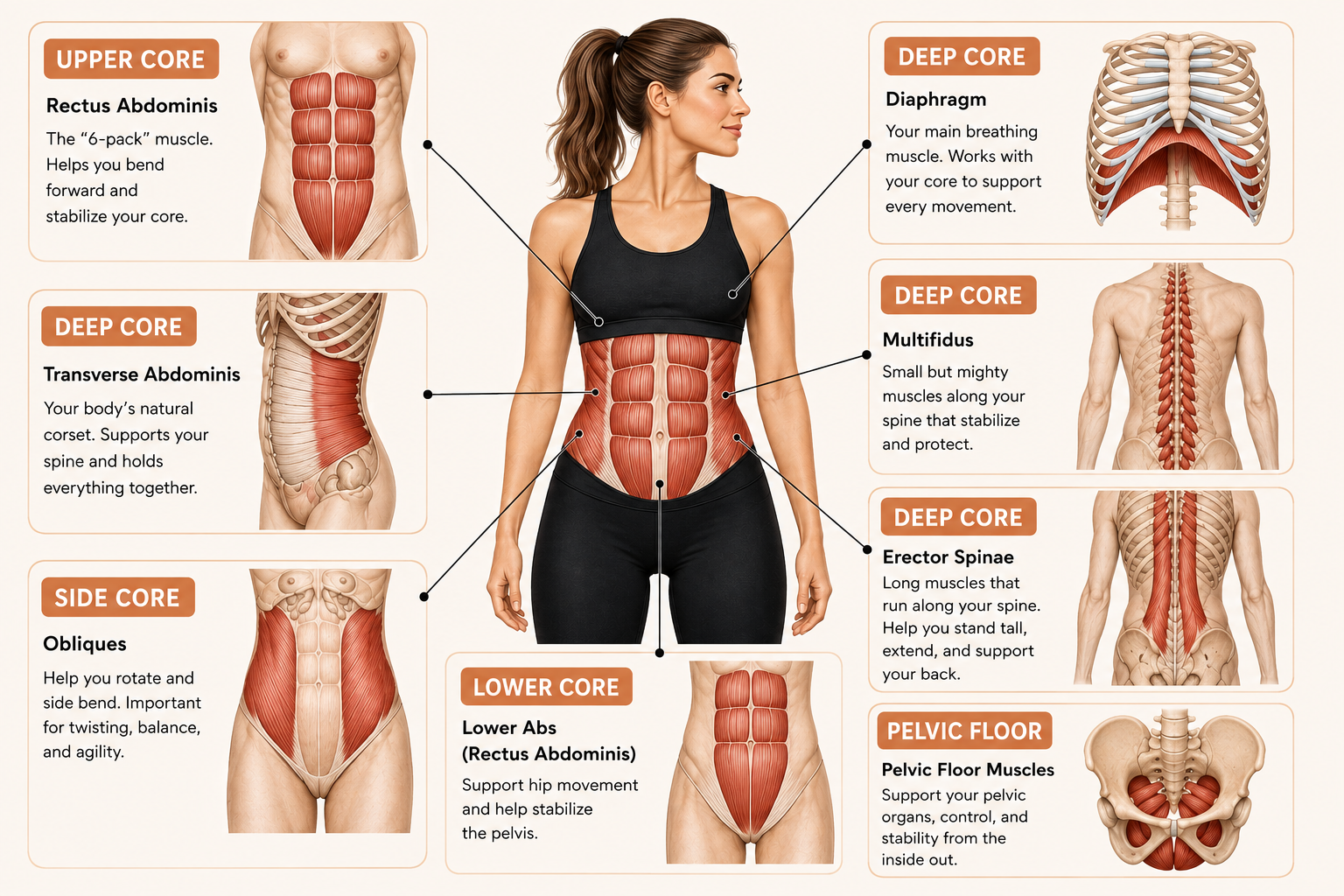
Some of the major players include: (P.S. this is the sciencey part, you can skim if you'd like.)
Rectus abdominis — The more visible "ab" muscles (the "six-pack"). It bends your spine forward during movements like crunches.
Transverse abdominis — A deep abdominal muscle that helps brace and stabilize your trunk. Acts like a natural corset. It wraps around your waist to compress the abdomen and stabilize your lower back.
Internal & external obliques — Assist with rotation, side bending, and stability. Muscles on your sides and waist. They allow your torso to twist, turn, and bend sideways.
Multifidus and other back muscles — Small, deep muscles running along the spine. They stabilize individual joints in the backbone during movement helping stabilize and support your spine.
Pelvic floor — A sling of muscles at the base of your pelvis. They support internal organs and control core pressure from underneath.
Diaphragm — Main muscle for breathing. It forms the roof of your core and regulates inner trunk pressure.
Erector spinae — Muscles running up your back. They help you stand up straight, arch, and rotate your back.
(Okay, the science book is closed now.)
After reading all of that, I don’t know about you, but I’d want my core to be as strong as possible!
When we think about fitness, it’s easy to focus on how we look right now but what about 10, 20, or even 30 years from now? A strong core plays a huge role in longevity. It helps us move better, stay balanced, protect our back, maintain independence, and continue doing the things we love as we age. Your core is so much more important than just having visible abs.
You may hear people talk about their “upper abs” and “lower abs,” but your core isn’t designed to work as a bunch of completely separate muscles. Yes, certain exercises can place more emphasis on different areas, but ultimately, your core works together as one system. That’s exactly how we should train it.
A strong core isn’t just about how you look it’s about building a body that is strong, stable, functional, and ready to keep moving for years to come.
Why Is Core Strength So Important?
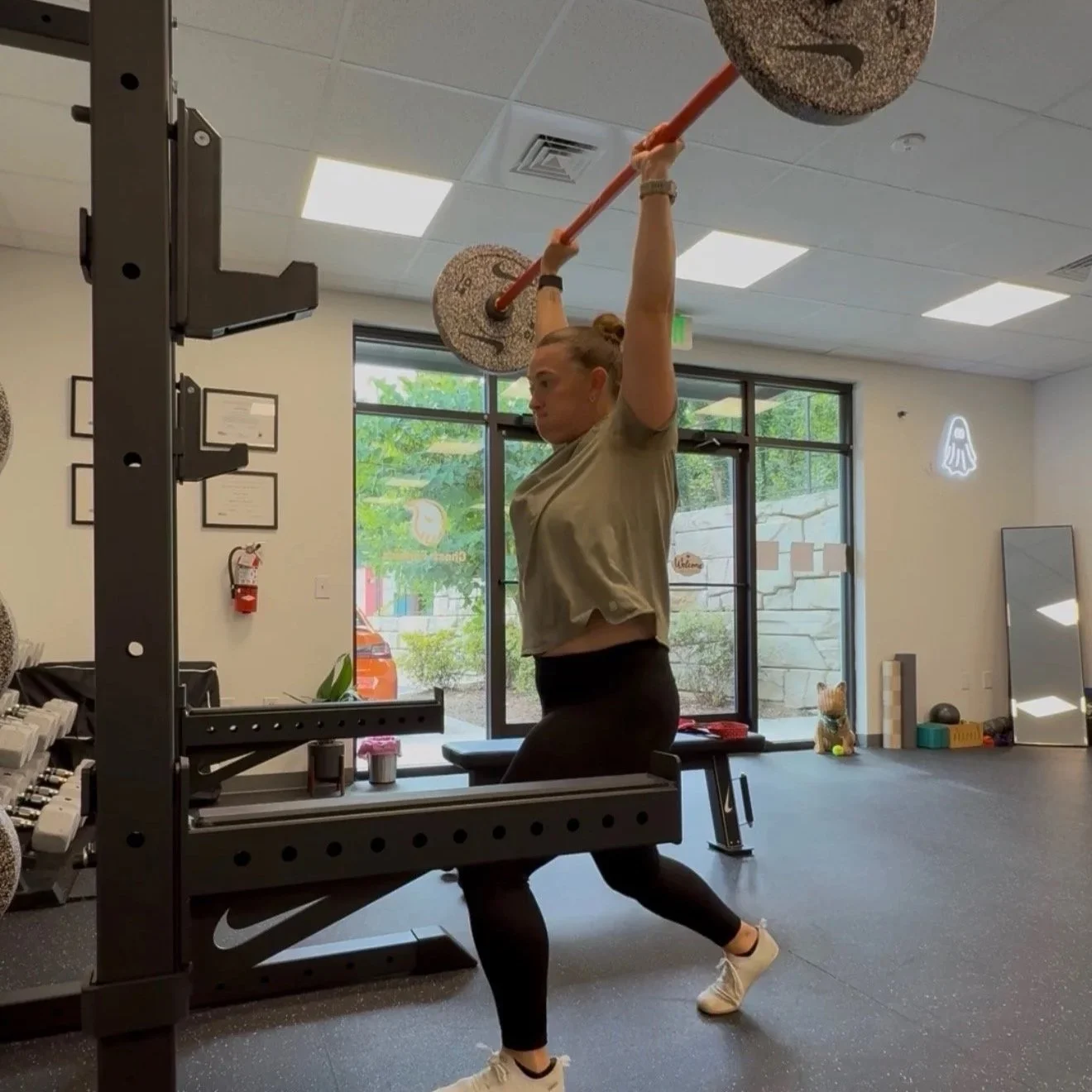
Think of your core as your body's foundation. Before your arms and legs can efficiently produce force, your trunk needs to provide a strong, stable base.
A stronger core can help you:
Lift heavier with better control
A stable trunk gives you a stronger foundation during all exercises like squats, deadlifts, presses, rows. Personally when I focused on training my core and doing it correctly, all of my personal records (PRs) shot up dramatically.
Improve your form
Learning how to brace and control your trunk can help you maintain better positioning as exercises become more challenging. Better core control and stability can also help reduce unnecessary stress on the body and make movements feel more comfortable.
Improve balance & stability
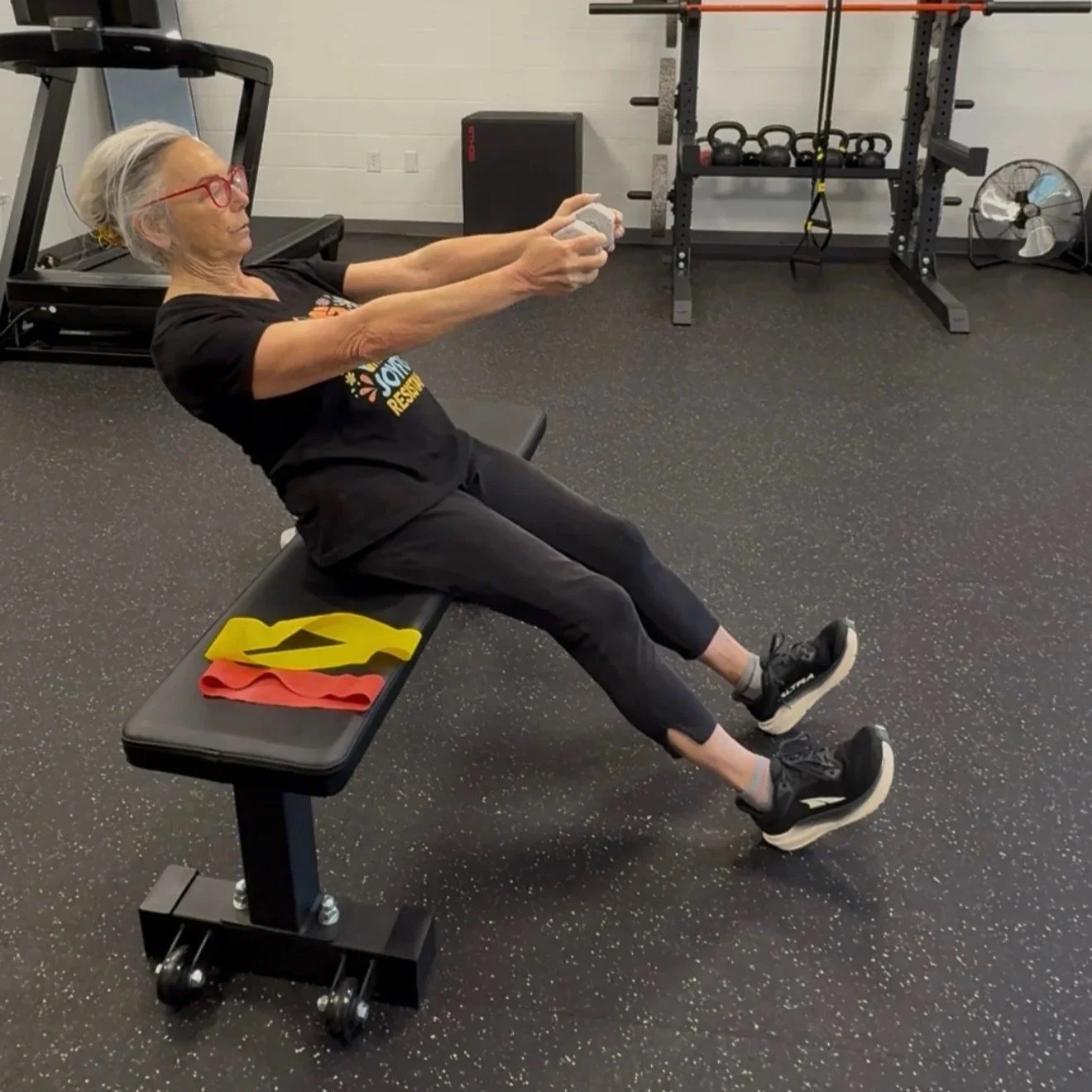
Your core helps control your body when walking, running, changing direction, standing on one leg, and performing everyday movements. This is huge as we get older, we want to make sure that we continue to train the core at every age to help maintain balance, stability, and confidence in our movements.
Support your back
Proper core training can improve trunk strength, stability, and control. A stronger core can help support your spine and reduce unnecessary stress on your back. Core strengthening can also help improve posture and overall movement quality.
Improve athletic performance
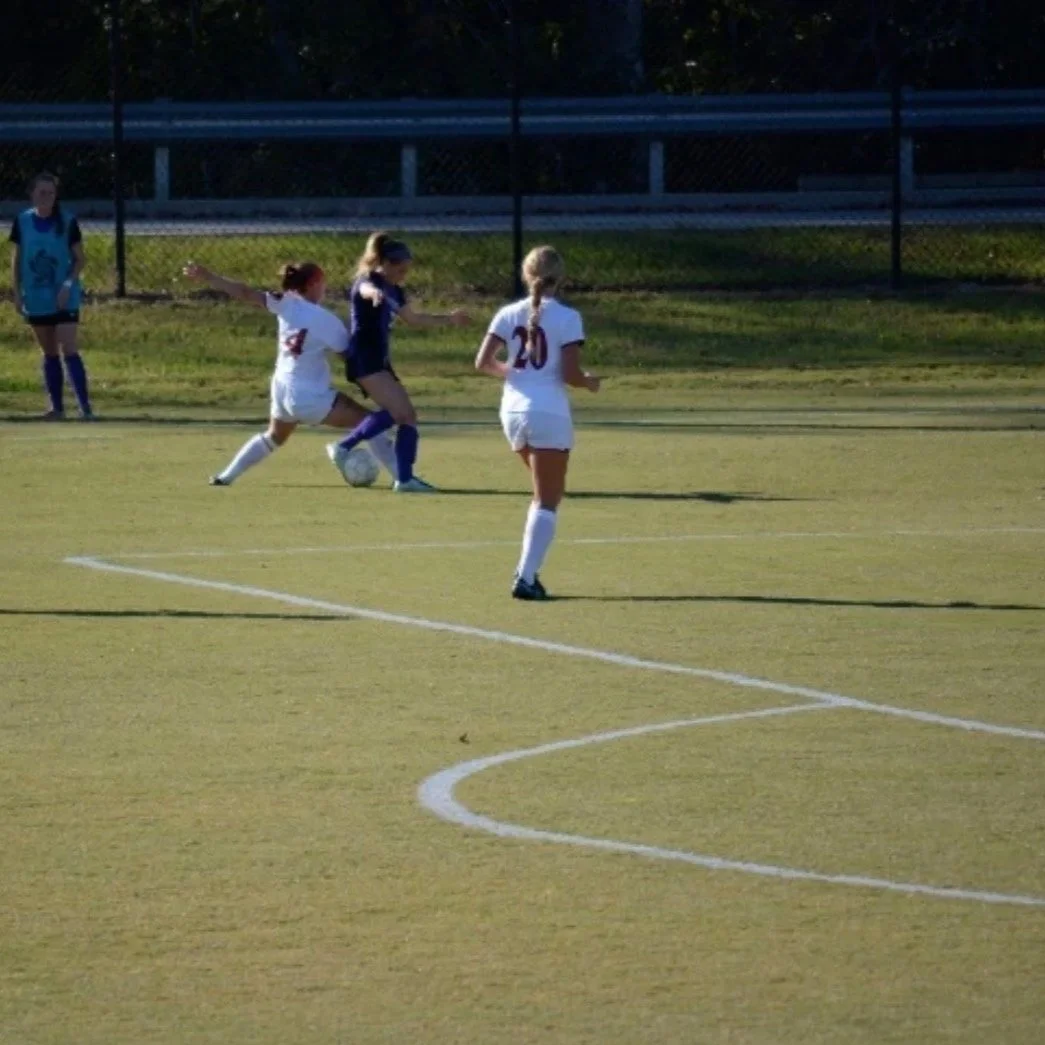
Running, jumping, kicking, throwing, and changing direction all involve transferring force through your trunk. This is HUGE for athletes, especially those who participate in contact sports. Without a strong foundation, you may be at a greater risk for injury and lose strength or power during movement. A strong core can help you become stronger, faster, more stable, and more powerful.
Make everyday life easier
Getting out of a chair, carrying groceries, picking something up, climbing stairs, and playing with your kids or grandkids all require core strength and stability. A strong core helps make these everyday movements easier and allows you to stay active and independent as you age.
Core Strength After Surgery, C-Section & Abdominal Procedures

Can’t feel your core?
Postpartum can make you feel like you don’t have a core anymore. Don’t worry, this can be fixed with the correct training and guidance.
This is an area that is especially important to me because I've worked with women returning to exercise after C-sections, tummy tucks, and other surgeries.
After an abdominal surgery or C-section, it can feel like your body doesn't move or respond the way it used to. You might have tightness, pain, loss of feeling, or want to hunch all the time. Your abdominal wall has been through a significant healing process, and rebuilding strength isn't necessarily about jumping straight back into crunches or trying to get your "abs back."
It's about reconnecting with your core and gradually rebuilding strength, stability, and confidence.
Once one has been cleared by their surgeon or healthcare provider, core training can start at the level that is right for them. That may initially mean breathing, gentle bracing, pelvic-floor coordination, walking, and controlled movements before progressing to more traditional strength exercises.
I've had the opportunity to work with women through this process and help them gradually work toward feeling strong and more like themselves again. For me, that's one of the most rewarding parts of training.
The goal isn't to rush recovery or compare your body to what it could do before surgery or compare to others. It's to meet your body where it is, respect the healing process, and build from there.
Always follow your surgeon or healthcare provider's recovery restrictions after surgery. Pain, wound concerns, unusual swelling, bleeding, or other new symptoms should be evaluated before progressing exercise.
Core Strength & Longevity
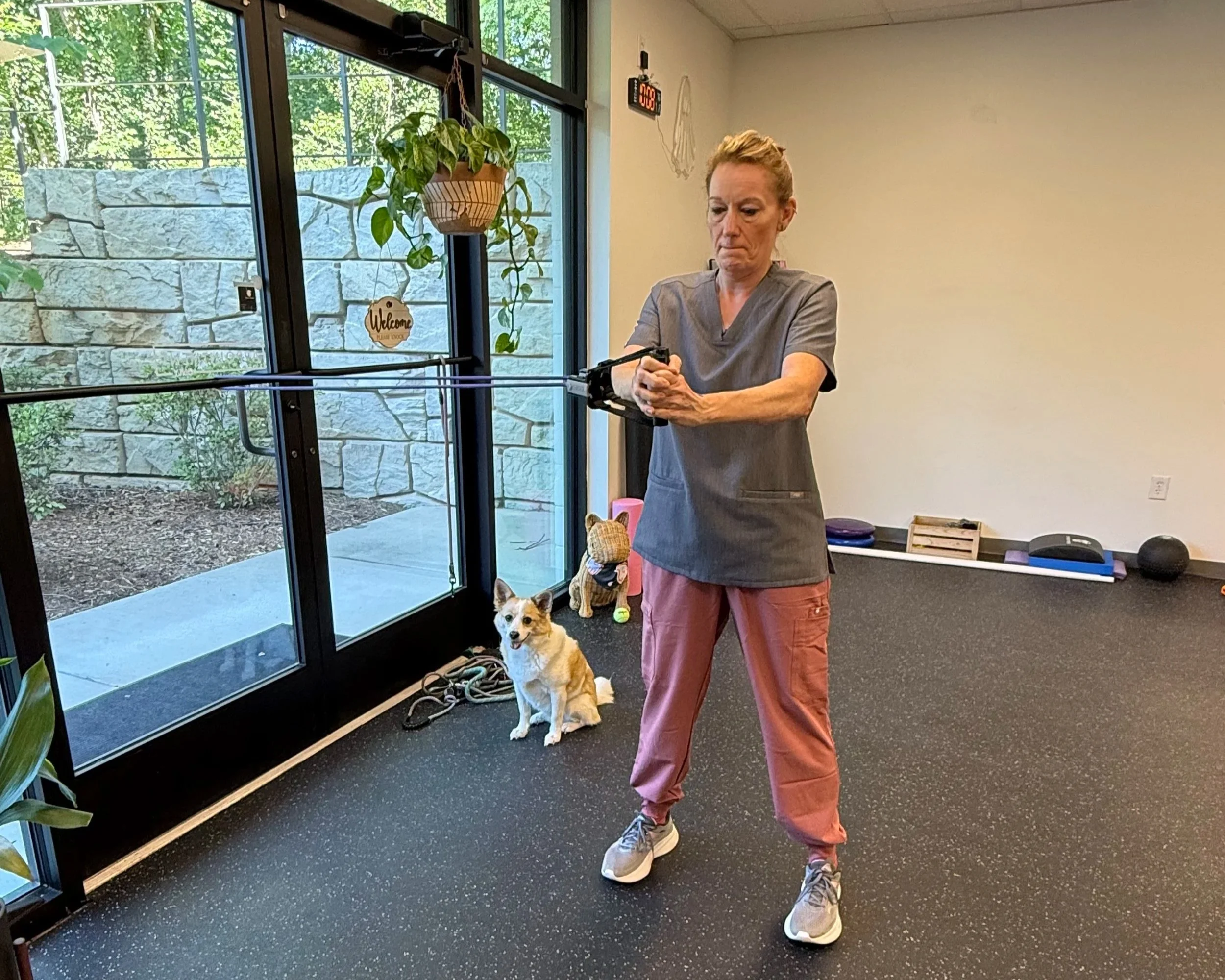
Edie working on core stability while Moshe supports her!
Performing a pallof hold.
Core training isn't just for athletes or younger people. It's something we can continue training throughout our entire lives. As we age, maintaining strength, balance, coordination, and control becomes increasingly important for staying active and independent. You are never too old to start.
Core exercises can be modified for beginners, older adults, experienced lifters, and athletes. The goal isn't to perform the hardest exercise possible. The goal is to challenge YOUR body appropriately and continue progressing. Everyone will have a different starting point and that is okay. Getting stronger and reaching new goals is what is so rewarding and what you should think about, not comparing yourself to others.
Try These 3 Core Workouts
Make sure that you are bracing your core. I like to tell clients to imagine an empty soda can behind their belly button and try to crush that can. If that doesn't help, my other trick is telling clients to act like you're about to get socked/punched in the stomach and make it hard. Bracing is NOT sucking the stomach in.
🟢 Beginner Core Workout
Complete 2–3 rounds with control.
1. Dead Bug — 8 reps per side
Keep your core braced while slowly moving the opposite arm and leg. Make sure that your lower back does not come off the mat. Only go as low as you can without your back arching.
2. Glute Bridge — 12–15 reps
Strengthens the glutes while teaching you to control your pelvis and trunk.
3. Bird Dog — 8 reps per side
Great for core stability, balance, and coordination.
4. Pallof Press with Band — 10 reps per side
Press the band away from your chest while resisting the band's pull to rotate you.
5. Incline Plank — 20–30 seconds
Use a bench or elevated surface to build plank strength before progressing to the floor.
🟠 Intermediate Core Workout
Complete 3 rounds.
1. Forearm Plank — 20–45 seconds
2. Dead Bug with Resistance Band — 10 reps per side
3. Side Plank — 15–30 seconds per side
4. Cable or Band Pallof Press — 10–12 reps per side
5. Stability Ball Knee Tucks — 8–12 reps
Focus on keeping your trunk controlled rather than rushing through your reps. Slow and controlled is the name of the game!
🔥 Advanced Core Workout
Complete 3–4 rounds.
1. Hanging Knee Raise — 10–15 reps
2. Cable Chops — 10–12 reps per side
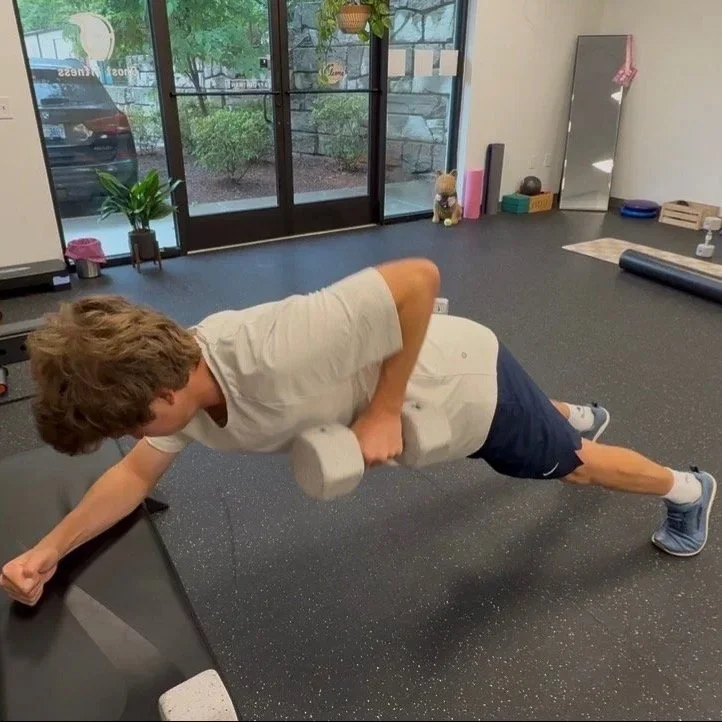
3. Plank with Alternating Dumbbell Drag — 8–10 reps per side
4. Ab Wheel Rollout — 6–12 controlled reps
5. Cable Pallof Press with Step-Out — 8–10 reps per side
Remember: advanced doesn't mean faster.
As exercises become harder, control becomes even more important.
Stronger Core = Stronger You
Core training isn't just about changing how your stomach looks. It's about creating a body that can lift more, move better, maintain balance, support your spine, improve your form, perform better, and continue doing the things you love. Whether you're 25 or 75, an athlete, a beginner, or rebuilding strength after being cleared following surgery, there's a place to start.
Your core deserves more attention than a few crunches at the end of a workout. It deserves consistency, progression, and a plan.
If you need a plan, contact me! Core work can be difficult. I am here to keep you consistent and teach you how to properly train your core.
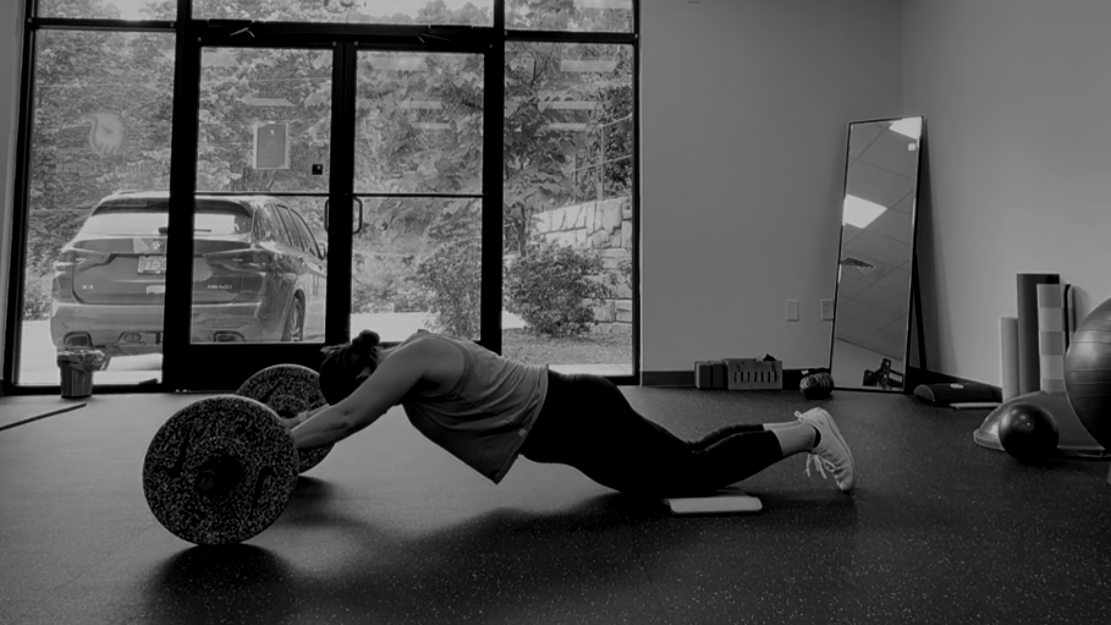
Core work looks different for everyone. Focus on you and what your body needs. Do not compare yourself to others. You are strong in your own way!