are you getting enough protein?!
Protein has gotten way more complicated than it needs to be.
You do not need to walk around with a shaker cup all day, force down 20 scoops of protein, or panic because you did not hit an exact number by dinner. That is not realistic for most people—and honestly, it is not a good way to build habits that last.
Clients always worry and ask me about their protein intake. I like to keep things simple and realistic. Why make things complicated and use apps and measure your macros if you don’t have the time or like doing it.
The simple approach: eat real food most of the time, include protein in every meal, and use protein powder when it helps—not because you think you have to live off it.
Why Protein Matters
Protein helps your body build, repair, and maintain muscle. If you lift weights, work a physical job, are trying to lose fat, or just want to stay strong and capable, it matters.
Getting enough protein can help with:
Muscle growth and repair after training
Recovering better between hard workouts
Maintaining muscle while losing weight
Feeling fuller after meals and managing hunger
Supporting bones, skin, hair, immune function, hormones, and normal body processes
Protein is not a magic fix. You still need to train, sleep, eat fruits and vegetables, drink water, and put in the work. But if you want your training to actually have something to build with, protein needs to be part of the plan.
How Much Protein Do You Need?
The official minimum for adults is around 0.8 grams of protein per kilogram of body weight. That can prevent deficiency, but it is usually not where most active people feel their best or get the most out of strength training.
For people who lift, stay active, do physical work, or want to hold onto muscle while losing fat, a solid real-world target is often:
0.7 to 1.0 grams of protein per pound of body weight per day.
That is a range, not a rule you have to hit perfectly every day. Start where you are, get more consistent, and adjust if needed.
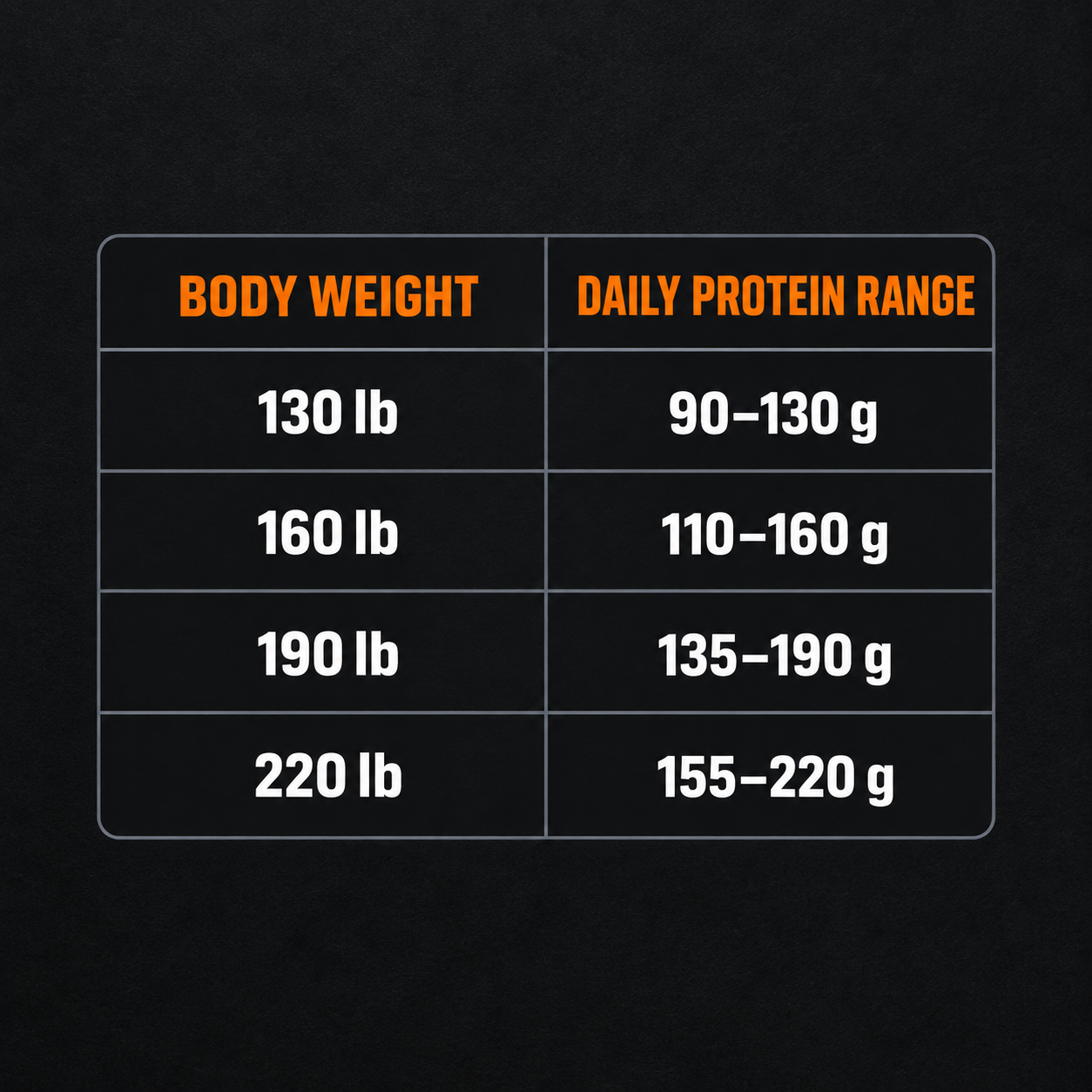
Practical Daily Protein Range
If you weigh 180 pounds, that does not mean you have to suddenly hit 180 grams tomorrow. Maybe you are currently getting 80–100 grams. Start by making breakfast better and adding protein to your snacks. Get to 120–140 consistently first. Build from there.
The best protein target is one you can actually hit without hating your food or making your life harder.
If you have kidney disease or a medical reason to limit protein, talk with your doctor or registered dietitian before increasing it.
Stop Letting Companies Tell You How to Eat
Social media can make it seem like you need a new protein product every week to make progress. A creator is drinking a bright-colored shake, somebody else is selling “high-protein” cookies, and suddenly you feel like chicken, eggs, yogurt, beef, rice, fruit, and vegetables are not enough.
They are enough.
A lot of fitness content is built around selling something. That does not mean every protein powder, bar, cookie, cereal, or ready-to-drink shake is bad. It means you should be able to look past the marketing.
Do not let a company convince you that you need to eat or drink its product to be healthy, lean, strong, or disciplined. You do not need a supplement cabinet to get results. Most people would make more progress by eating consistent meals, training with effort, sleeping enough, and getting their protein from regular food.
Before you buy the “high-protein” version of every snack, flip it over and read the label. Some products do contain useful protein. Others are still heavily processed snacks with a protein claim slapped on the front. They may be loaded with added sugar, sugar alcohols that upset your stomach, oils, fillers, or a long list of ingredients you do not really need—while still not giving you much protein for the calories or money.
A protein bar or shake can be convenient. It can save you when you are traveling, busy, or stuck without a meal. Just do not confuse convenience with a requirement. A bar is a backup plan—not your personality.
Use this simple filter:
If it is helping you hit protein on a busy day, it can be useful.
If it is replacing most of your meals, it is probably time to get back to real food.
If the packaging is doing more work than the ingredients, leave it on the shelf.
If you enjoy it and it fits your overall diet, have it without guilt—but do not feel pressured to buy it because somebody online said you need it.
The basics still work. Real food does not need a marketing campaign.
Do Not Chase Protein at Night
A lot of people barely eat protein all day, then realize at 8:30 p.m. that they are 80 grams short. That is when the giant shake, protein bar, and random handful of deli meat starts happening.
There is an easier way: add protein to the meals you are already eating.
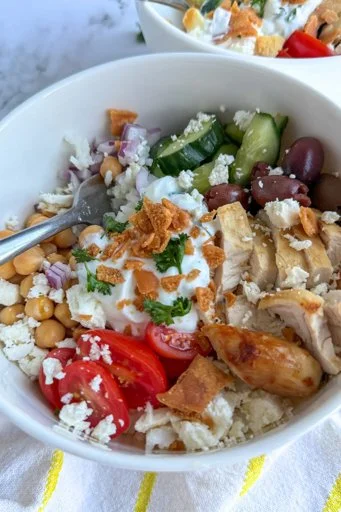
Chicken Bowl:
Bowls make an easy healthy meal! Go for good color and you get your protein, carbs, fats, and fiber all in one bowl.
Think breakfast, lunch, dinner, plus one snack or dessert. For most people, 25–40 grams of protein per meal is a strong place to start. You do not have to be exact. You just want protein to show up regularly.
What a Balanced Protein Day Can Look Like
Here is a simple example of a 150-gram day. It is not 20 scoops. It is just food spread through the day.
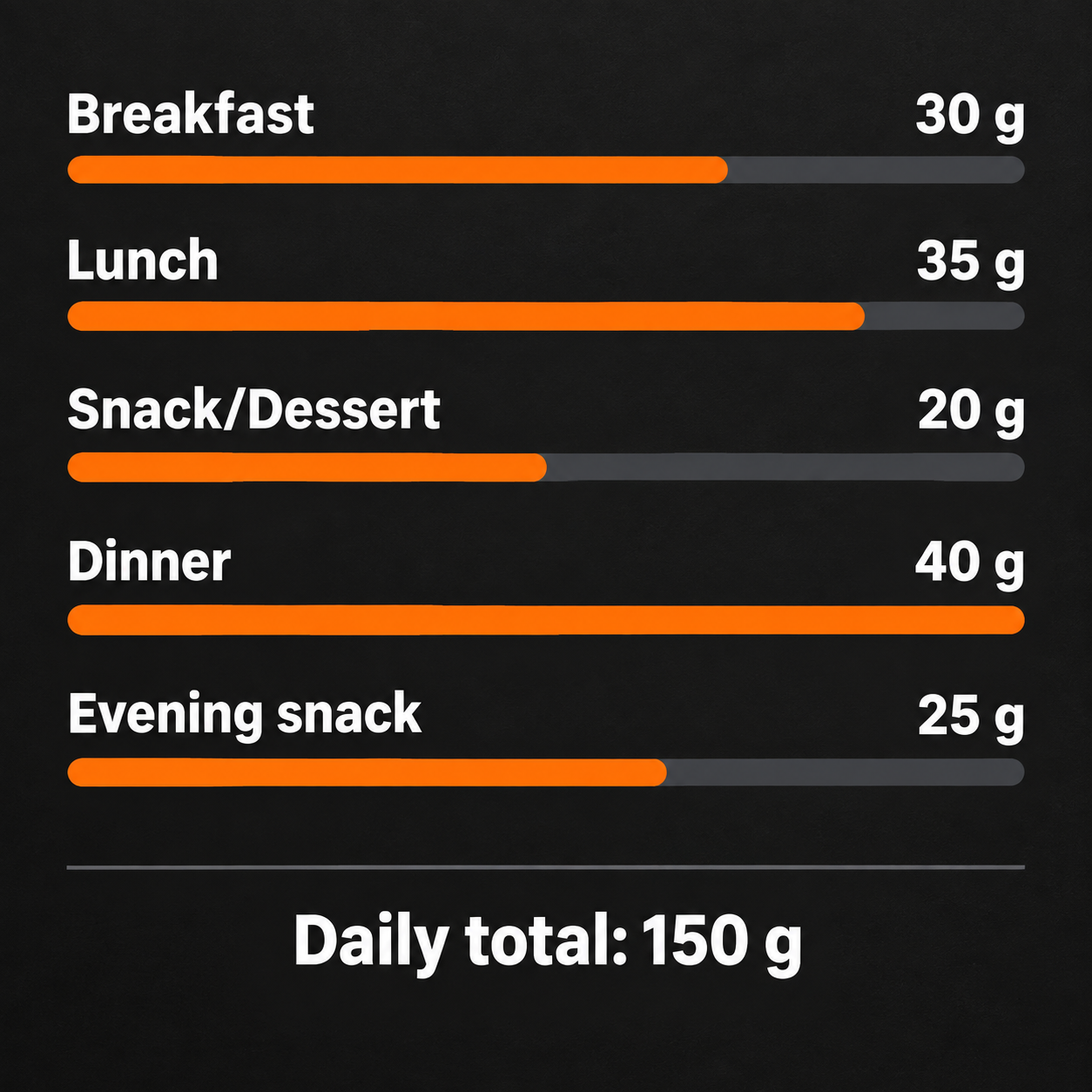
Example of protein throughout the day.
That is the whole idea. Do not make protein something you have to “catch up” on. Build it into your normal routine.
Real Food Is the Base
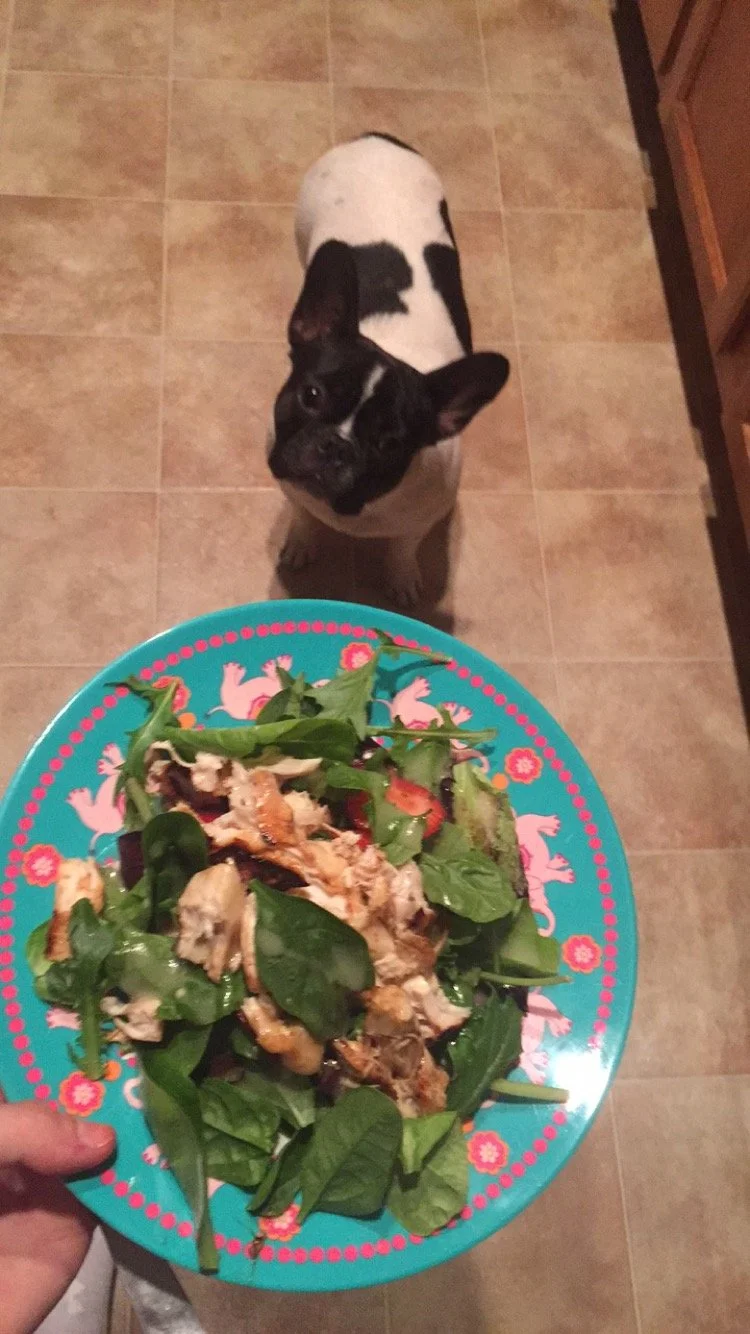
Strawberry Salad with Chicken
Protein powder is useful. It is quick, easy to take on the go, and can save you when you are busy. But it should be a tool in the toolbox, not the entire toolbox.
Real food gives you more than just protein. Meat, eggs, dairy, beans, lentils, seafood, and soy foods also bring vitamins, minerals, fats, fiber, iron, calcium, and other things your body needs.
Build most of your intake around foods like:
Eggs and egg whites
Greek yogurt and cottage cheese
Milk or soy milk
Chicken, turkey, lean beef, pork, and fish
Tuna, salmon, shrimp, and other seafood
Tofu, tempeh, edamame, beans, lentils, and chickpeas
Protein bars are fine when you are in a rush. They are not evil. But they are usually expensive, highly processed, and not nearly as filling as a real meal. A bar is a backup plan—not your personality.
If you can eat chicken, eggs, yogurt, beef, fish, beans, or tofu, do that most of the time. Save the powder and bars for convenience.
Keep It Fun: Protein Can Be Dessert Too
Protein does not only belong with lunch and dinner.
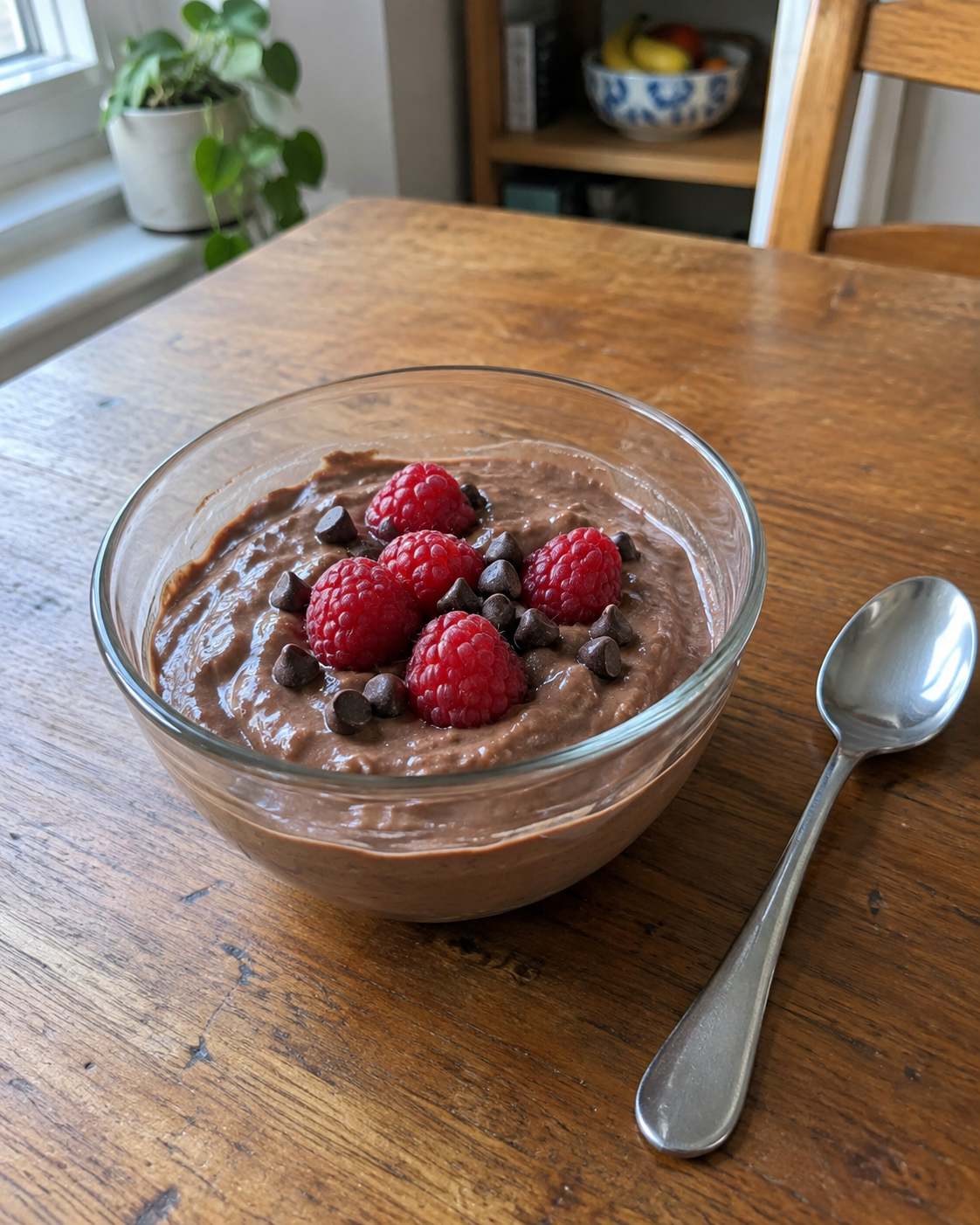
If you are trying to get more protein without eating another plain chicken breast at night, make it enjoyable. One scoop of protein can turn a regular dessert or snack into something that helps your day add up.
Try these:
Homemade protein ice cream with one scoop of protein powder
Greek yogurt mixed with protein powder, fruit, cinnamon, and a little granola
A smoothie with milk, frozen fruit, Greek yogurt, and protein powder
Protein mixed into oatmeal after it cooks
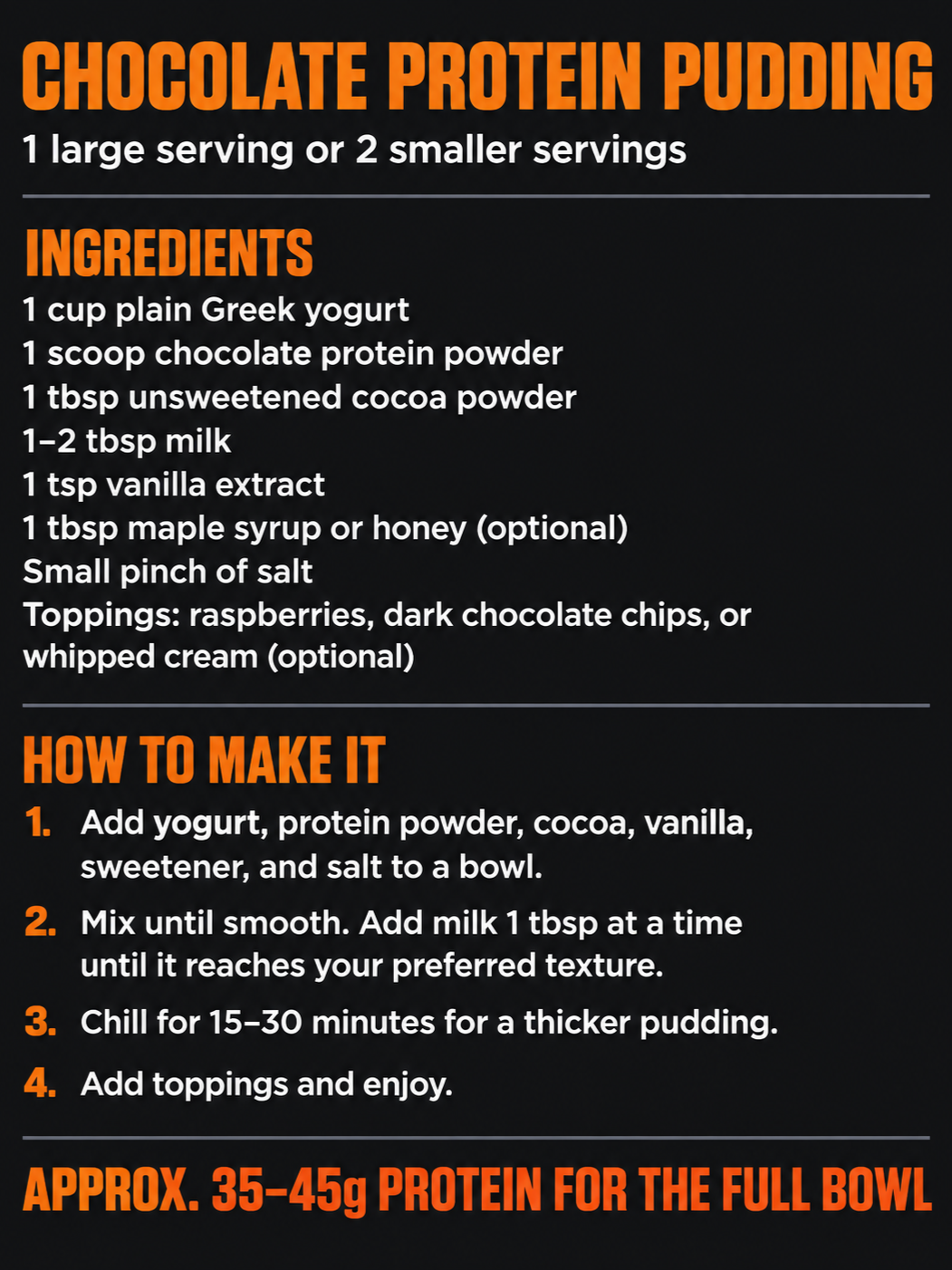
Cottage cheese blended into a pudding-style dessert with cocoa and fruit
A protein yogurt bowl after dinner instead of another shake
You do not have to make every treat “healthy.” Have regular ice cream or dessert sometimes too. The point is that protein powder can make life easier and more fun when you want it to—not that every meal has to taste like a supplement.
When Should You Eat Protein?
Your total protein for the day matters more than perfect timing. Get the total right first.
After that, spreading protein across your day is a simple way to support recovery and make your target easier to reach. You do not need to sprint home after your workout because you think you have a 20-minute window. Just do not train hard and then go half the day without eating.
Before Training
If you are eating a meal a couple hours before lifting, have protein and carbs. It gives you energy for training and gives your body building blocks to work with.
Easy examples:
Eggs and toast
Greek yogurt with fruit and oats
Chicken, rice, and vegetables
Turkey sandwich and fruit
A smoothie with milk, yogurt, fruit, and protein powder
If you train early and do not like a full meal beforehand, keep it simple. A banana and a shake, Greek yogurt, or milk and toast can be enough until you eat after training.
After Training
Try to eat a meal or snack with around 20–40 grams of protein within a few hours after your workout. Nothing crazy is required.
A normal dinner works. So does a Greek-yogurt bowl, eggs and toast, chicken and rice, or a shake when you truly need something fast. The post-workout meal does not need to look like a bodybuilder meal-prep photo. It just needs protein and enough food to help you recover.
On Rest Days
Keep eating protein on your rest days.
Your muscles do not only recover while you are lifting. Training is the signal; the recovery happens afterward. Rest days are when your body is still doing work behind the scenes.
You do not need to lower protein because you did not train that day. Keep it consistent, eat normal meals, and let the work you did in the gym pay off.
keeping it real
Here is what a realistic day might look like for somebody aiming for around 140–150 grams of protein:
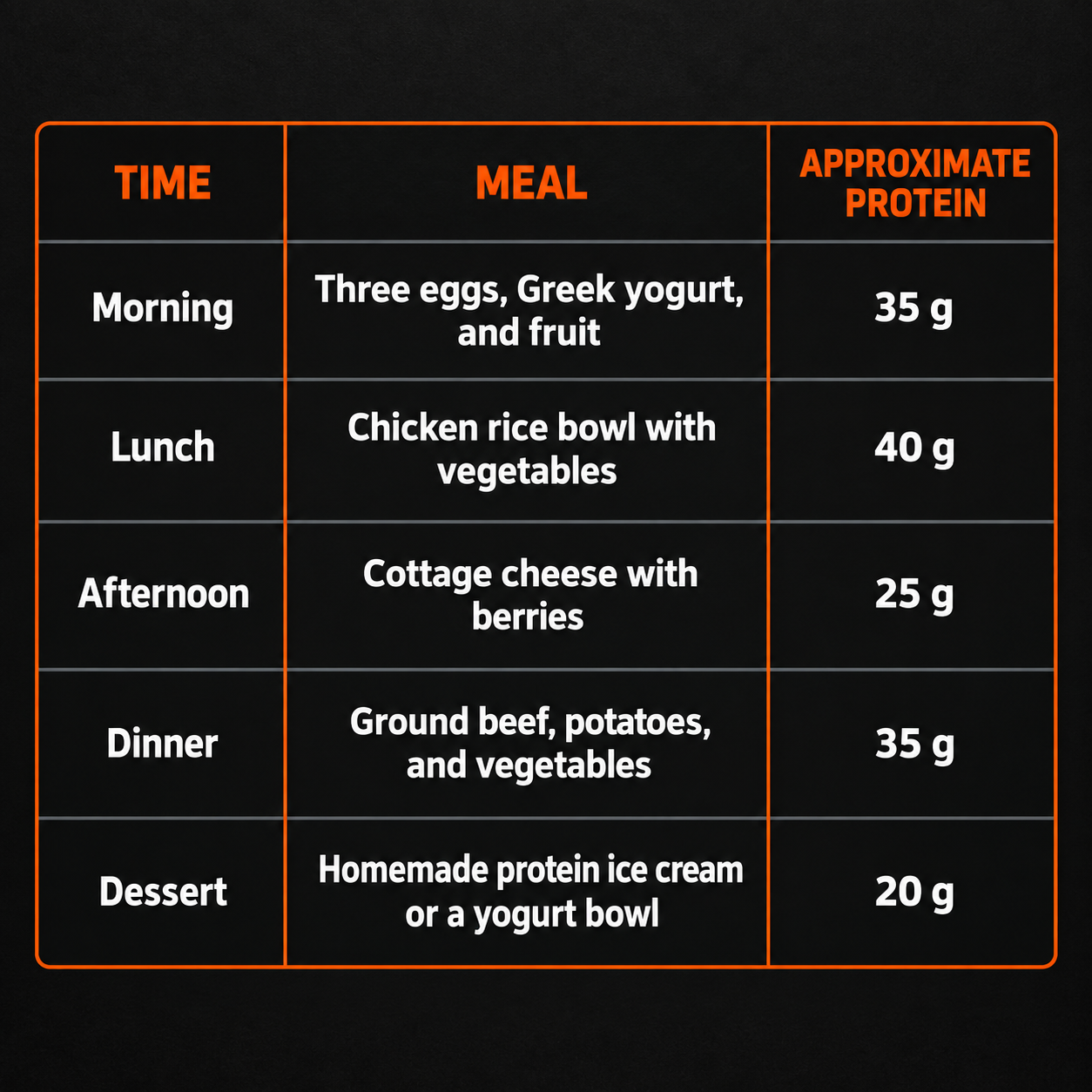
Total: about 155 grams of protein
Nothing in that day is extreme. No stack of protein bars. No six shakes. No trying to fix the whole day after dinner. Just normal food, eaten consistently.
The Takeaway
Protein is important, but it should not become another thing that stresses you out or another product somebody convinced you that you need.
Start simple:
Pick a realistic protein target for your size and activity level.
Put protein in breakfast instead of waiting until lunch.
Have a protein source at lunch and dinner.
Keep easy options at home or at work: Greek yogurt, cottage cheese, eggs, cooked meat, tuna, milk, or protein powder.
Use powder when it makes sense—especially in smoothies, oatmeal, yogurt, or homemade ice cream.
Let real food do most of the work.
Focus on doing it consistently, not perfectly.
You do not need to make protein complicated. You do not need every product that social media tries to sell you. Eat good food. Train hard. Recover. Add protein across your day. Use a scoop when it helps. Keep it simple enough that you can do it for months, not just for a week.
That is how you build habits that last.